
Discipline Behind Artistry
Jan Mayo and his insights on professionalism
Written by Micah Ventura

Professionally trained as an aeroplane pilot, a theater performer, and eventually a sports science graduate, Jan Mayo is now more renowned as a photographer for his original artistic works and contributions to major publications such as Vogue. He was the first photographer to hold an exhibition at the National Museum of Natural History.
With these accomplishments and his multidisciplinary background, Mayo embodies discipline through creative practice. He is a person that values time, and this is shown in his commitment to the demands of his career as a photographer—his medium being the art of time. And his credibility and professionalism are not only personal traits but also what his brand exudes.
A Brand Anchored on Credibility and Professionalism
Credibility can mean many things, but in Mayo’s work it is closely linked to experience and connections. These three elements—credibility, experience, and connections—are vital factors for the success of creative careers. Instead of ranking these three according to their importance, Mayo understands that these are interdependent and may come in sequentially according to a practitioner’s specific pursuits. Credibility is built through experience, and with this foundation, meaningful connections follow. As he notes for instance, some well-connected creatives may still not have a professional conduct that sustains trust. Such reputation is earned through consistency, integrity, and quality of work over time.

Aside from competence and a well-established work ethic, achieving his definition of success meant establishing a clear creative identity—a unique selling point. Beyond producing good work, a creative professional must eventually develop their own brand and identity. Mayo positions himself within a premium space and in doing so, he would have to be intentional with the projects he takes on. With years of experience and a clear sense of direction, he now chooses work that aligns with his value, taste, and goals.
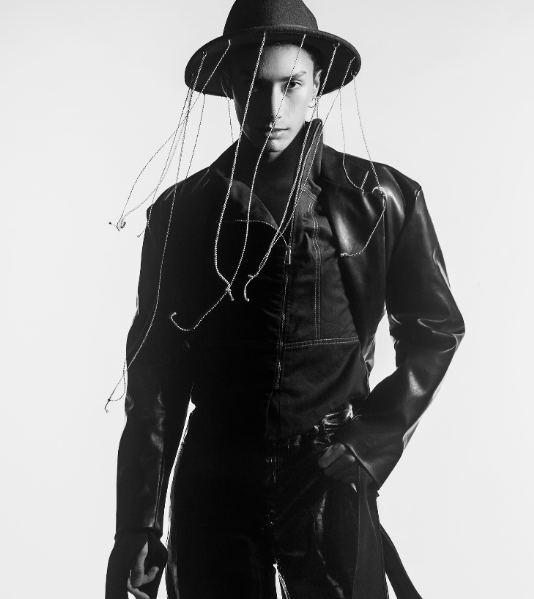
While his branding may not be aimed to reach everyone, it does to a certain audience, enough to be anchored in artistic credibility and institutional validation. In making this choice, he strives to be very professional in every stage of his process—which is different from just being selective for the sake of it.
The Next Generation and Market Disruption
Having reached this level of influence and respectability, how does he view the next generation of creatives?
The rise of social media altered the economy of the creative media production industry. In some cases, individuals and smaller groups can bypass the traditional gatekeepers in media (Mayo underlined magazine editors for his particular career), and connect directly with influential figures online through their content. This is something that the younger and newer entrants can maximize as these allow access to highly valuable networks and opportunities for exposure. While it’s important to know your resources, you must also know about the implications; for one, newcomers in the field may charge less for a service that typically costs far more in professional settings. While this saturates the market, the blurring lines between industry-standard and amateur work prompt the embracing of the unconventional and redefine the market’s expectations for what “quality” and “professional” work can be.
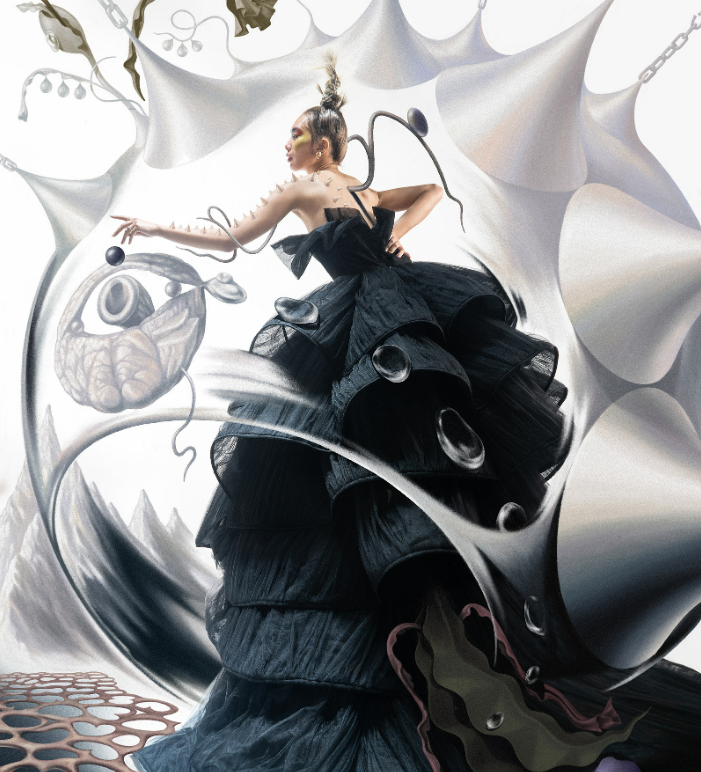
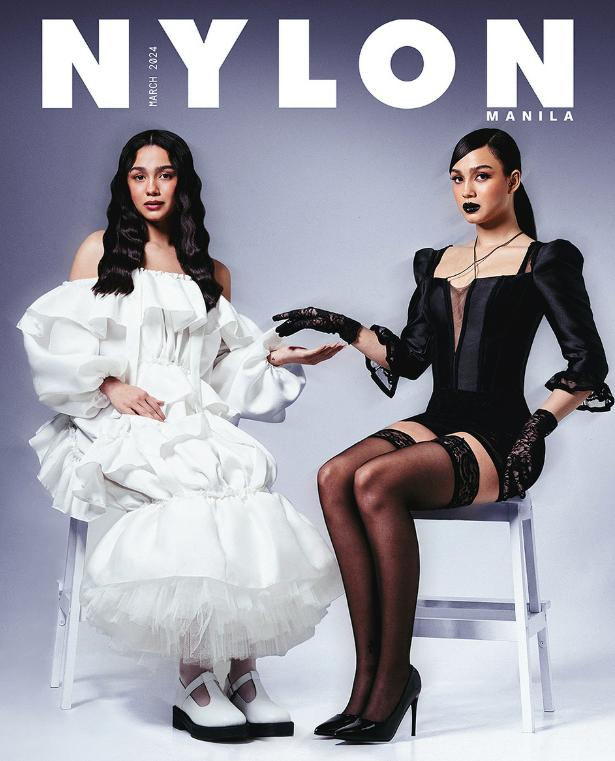
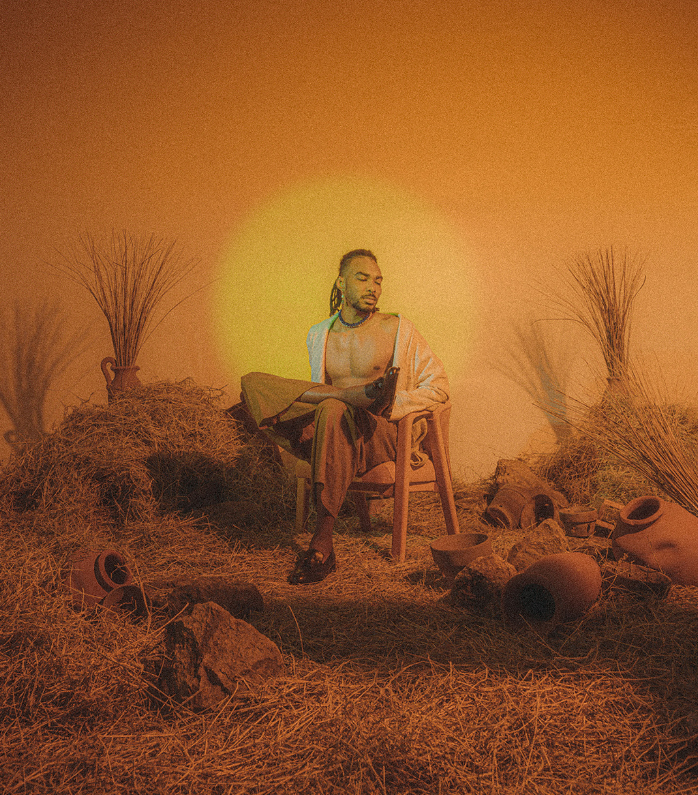
Mayo navigates this discussion by emphasizing on knowing which projects are worth pursuing, in consideration of the time and budget spent, as well as the inconsistencies in freelance work. Once again, he brings light to the value of time. If a project is not going to offer fair compensation nor meaningful growth for his portfolio and brand, he may choose to step back—while maintaining his professionalism. Although it is important to seize opportunities, especially for those starting out, it’s equally crucial to understand how these can support your career and creative growth, knowing that return on investment is not always guaranteed.
These insights assert that it is important to first establish your objectives, may it be simply acquainting yourself with the work and the industry, or be it curating a portfolio that you would want to be representative of your identity as a creative practitioner. By then, you can decide what to devote your resources, expertise, and time on. In a way, as a freelancing creative, you dictate your own terms. And new media tools serve this very purpose. The creative media production landscape is continuously being reshaped by innovative technologies. Mayo sees these as leverage for emerging creatives for building the connections, experience, and credibility needed in establishing a stable career. Social media, for one, played a key role in his journey as someone who entered the industry without prior connections. Beyond the digital sphere, there are events such as workshops and gatherings, as well as networks that serve as valuable avenues for growth in the creative field.
“Consistently put your work out there. It’s very rare that opportunities present themselves as it is, because most of the time you create your opportunities.”
Jan Mayo’s insights underscore that a credible reputation is not built simply on awards and associations alone. Ultimately, it’s built on consistency. Choosing to always show up and on time is not just a matter of discipline, but of respect: for the craft, and for the collaborators behind it, and for the value of your own work. In this ever-changing creative scene where talent is abundant, professionalism begins the moment you decide to show up.