
The Art of Transitions
Three creatives that walked away from the world’s traditional definition of success
Written by Sofia Mercado
Pivoting and transitioning careers is scary, and even more so when you shift into an industry that has the reputation of being unstable. But, in a generation where career paths twist and bend just as fast as industry trends, the idea of transitioning careers no longer equates to confusion or failure; it’s a new form of courage.
But across different industries, these Filipino creatives are rewriting what it means to “make it” in the realm of creative media production. For them, stepping away from the stable and familiar is a step towards alignment with who they are truly meant to be.
Meet three Filipino creatives who dared to take that risk–trading what is comfortable in pursuit of alignment, and in the process, developing a well of wisdom that can inspire us, too.
TJ Cadeliña, Cinematographer and Colorist
“Just be patient and be ready.”
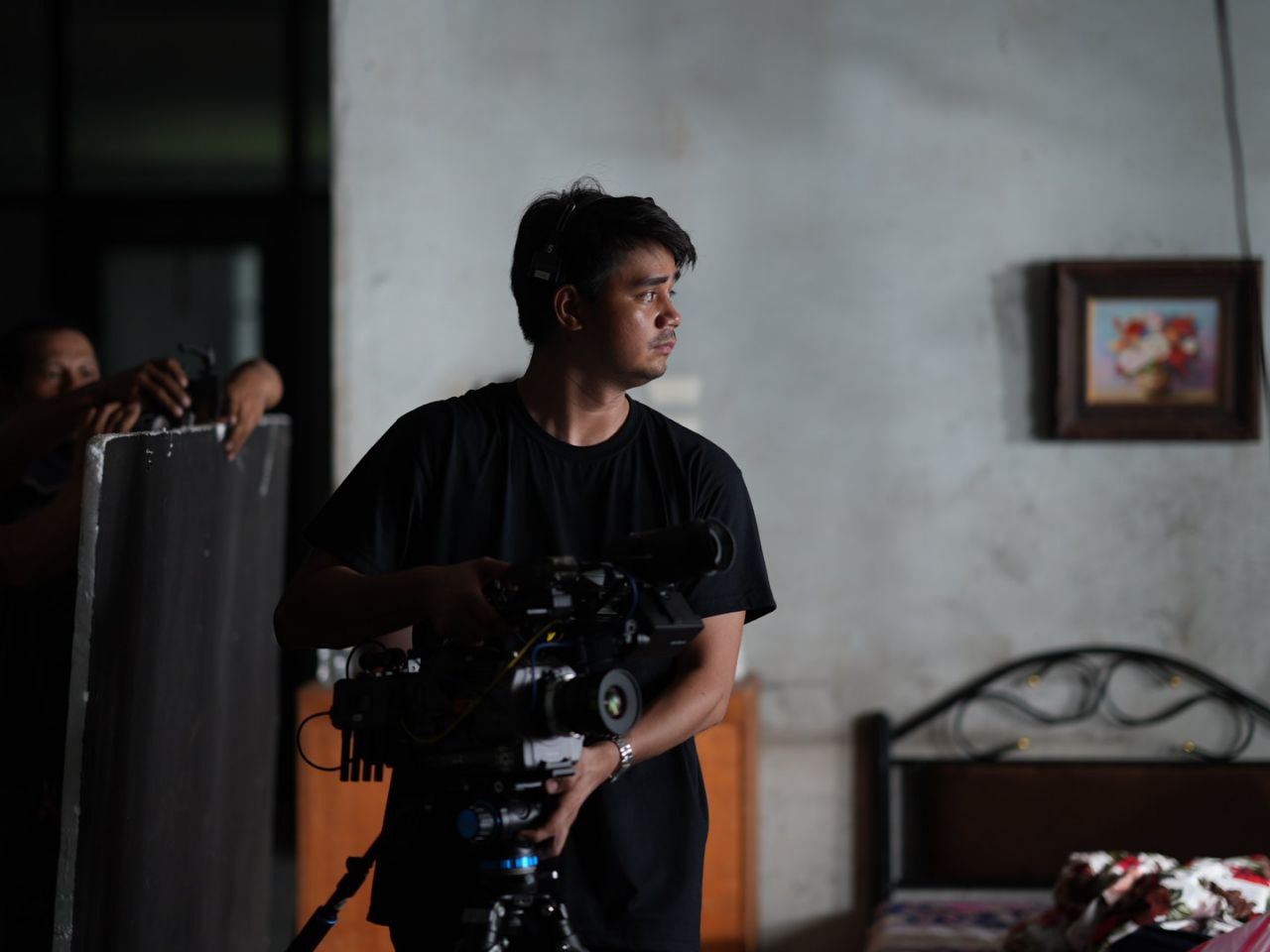
Before becoming a cinematographer and colorist for notable productions such as Toni Talks and Gentle Monster, TJ Cadeliña’s journey began at home. His first exposure to filmmaking came when he assisted his father in producing content for their church and various private clients. This experience introduced him to the creative process that planted the seeds for his future career.
But when the time came for him to go to college, he instead pursued a degree in BS Marketing Management at De La Salle University (DLSU). “I wanted to have a backup course,” TJ explains, ”So if I flopped in the film industry, I could just go back to my marketing degree, right?” Despite having Marketing as a backup, his love for filmmaking and working on commercials never left. In fact, his love for it developed even more.
“We had some advertising classes, and we made commercials. So that was like my really one of the biggest steps that I took to really getting into this [industry].” TJ shares.
During his time at DLSU, he joined the Green Media Group, a student production organization under DLSU’s Culture and Arts Office. This group quietly became his gateway to the world beyond campus, and he credits his entry into the industry to his affiliation with the organization.
“I was able to break into the filmmaking industry because I took my org, Green Media Group,” TJ shares, “And when I was given the opportunity to work on an AVP for Rebisco, I met my org mates there in the production house.” By 2017, TJ started working in the film industry professionally. But, like many careers within the creative field, there’s always a season of ups and downs. But for TJ, part of navigating that ebb and flow during the transition stage is to be patient and ready. During a period where he wasn’t booking projects, his course of action was to self-study.

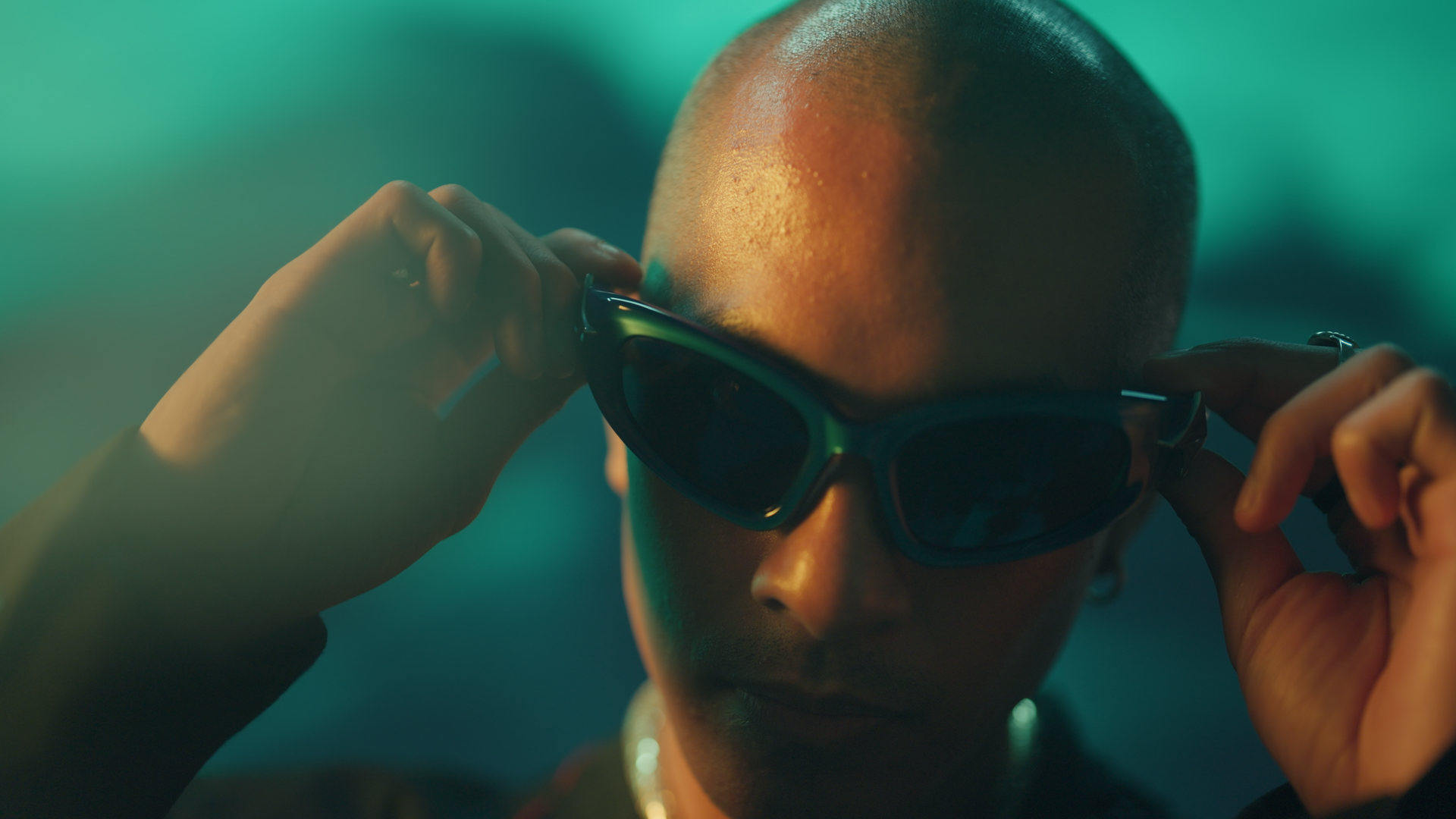
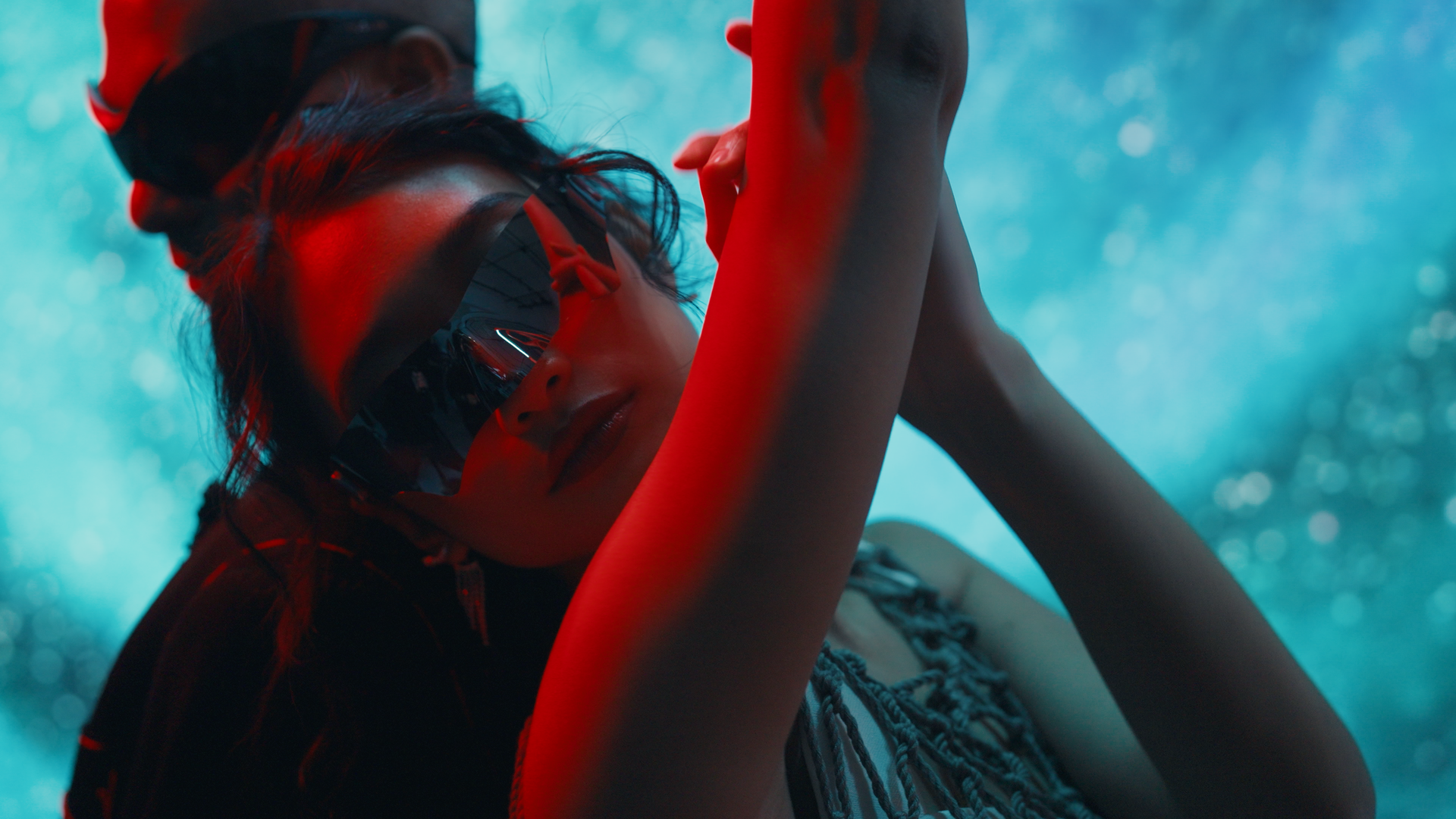
“I just studied. I studied filmmaking. I studied how to light, how to color, and how to edit on my downtime. I made sure that I was learning something new every day. And it helped that I was doing stuff for the church. So I was able to practice a lot with filmmaking.”
It is through that patience and faithfulness in the waiting that prepared him for the opportunities that came his way. In 2019, he began landing major projects as a colorist, in 2022 landed the role as an in-house cinematographer for Toni Talks, and just recently colored his first Netflix film “The Time That Remains”.What once seemed like a barrier to embracing the filmmaking industry became an incubator, nurturing and equipping him for the journey ahead.
When asked to share advice for the next generation of practitioners, TJ’s answer is simple:
“Just be there, and be ready.”
Vincent Lindholm, DirectoR
Vincent Lindholm, Director: “You have to go through all of it,”
For Vincent Lindhold, transitioning into the film industry was neither linear nor was it clear; it was a winding road, with its destination making itself known through dedication and humility. Originally an electrical engineering student, he found himself faced with a dilemma that most students encounter: uncertainty caused by being caught between the push and pull of practicality and passion.
But the notion of film wasn’t a total stranger to him. Growing up, Vincent often tagged along with his father, who was also the director, watching the magic of filmmaking unfold. Those moments ignited something within, leading him to take a few workshops at the Mobile Filmmaking Institute. From there he eventually became equipped with the skills he needed to thrive in a field beyond engineering.
But despite his connections and background, Vincent began his journey from the bottom, going from camera technician at CMB Films, to Second Assistant Camera, to eventually Director. His trajectory was marked by humility and constant learning. “You have to go through all of it,” Vincent emphasized.
Transitioning careers has its bits that are hard to romanticize, from long hours of learning to proving oneself. But Vincent also recognizes the joy of little moments, such as the satisfaction that comes when your vision comes to life, or the “thank you” after a shoot. For him, there’s a new kind of fullfiment found in creating living in something he doesn’t regret, a career where he can stop and say, “I did that.”
Joanna Loresco, Media Planner:
“You put a part of your soul into your work, but it is not a full reflection of who you are as a person and your worth in this industry.”

Being the youngest person in the room is a situation that’s almost always intimidating, and this feeling is amplified when you’re background doesn’t necessarily match the title you hold. In Joanna’s case, it was landing a position as a media planner as a fresh graduate amongst industry veterans.
The role seemed perfect on the exterior, in a role that focused on data and campaign strategy, it allowed her to utilize both her Bachelor’s degree in Psychology and her minor in Communications and New Media. But, on one end, she lacked the basics of marketing and advertising, backgrounds that her colleagues possessed. “Again, I came from psychology, so I felt like I was three or four steps behind,” Joanna explains.
This approach, coupled with a willingness to learn and adaptability, allowed her to bridge her knowledge gap and transition smoothly into the dynamic field of media planning. However, as she transitioned into a fast-paced and dynamic industry, she shared how it also means being predisposed to the pressure of constant change, sharing how some strategies could be “obsolete by May” after being developed in January. This led her to moments of being consumed by work, and even having a mindset that if a plan didn’t work out, “it feels like the end of the world and it feels like you’re a failure.”
This is where she underscores the importance of awareness and compartmentalizing. Despite the hustle and chaos of transitioning careers, there is a need to learn how to separate her self-worth from professional outcomes.”You are not your work,” Jo emphasizes, “Yes, you put a part of your soul into your work, but it is not a full reflection of who you are as a person and your worth in this industry.”
This shift in perspective helped her navigate the emotional demands of the dynamic creative field and maintain a healthier relationship with the career she’s building for herself.
Redefining Careers
In the Philippines, traditional and familial expectations are cornerstones that build the foundations of career decisions. But through the stories of TJ, Jo, and Vincent, for them, it isn’t about rejecting success or ambition entirely; it’s about redefining it. Now, the benchmark is different. It’s about peace instead of prestige, alignment instead of applause, and growth instead of comfort. And at the heart of it all, their stories underscore the beauty of embracing the seasons of transition and the wisdom that comes with it.