
The Making of Icons in the Industry
Building an impactful and successful career goes beyond skill–it takes purpose, grit, and the courage to stay true to your values throughout the journey
Written by Sofia Mercado
In a time where successful careers are often marked by how fast you climb the ladder or the amount of engagement you gain on social media, veteran film and advertising director Jeric Soriano’s career is a rarity: a creative whose career is rooted in patience, character, and sincere passion for the craft. A testament to the quiet kind of success that comes when you persevere and learn to be good wherever you are in your journey.
Jeric Soriano’s path into filmmaking and advertising didn’t begin behind the camera. Before directing some of the most iconic commercials in the Philippines—some of which had been embedded in Pinoy pop culture—such as Palmolive’s “I Can Feel It” starring Alice Dixon and Sarsi’s “Angat Sa Iba”, he was initially pursuing his undergraduate degree in Business Administration. It was a decision that his parents supported fully, but mainly served as a placeholder as he tried to make sense of what he really wanted.
Late 80s Sarsi Rootbeer TV Ad
But, as fate would have it, his detour into the world of film, though unplanned, was one that could not be ignored. What started out as assisting a dear friend on a film project became the defining moment when it all clicked: he wanted to pursue filmmaking.
“When I held the camera, I tell you, just some electricity just went up my arm,” he shares with a contagious passion. “ It was an incredible feeling.”
From just assisting, he eventually took on multiple roles in the production process, from shooting, to lighting, to even directing. When asked about how he felt working on the project, he emphasizes the biggest difference between him and his friend. “He had to do it. I wanted to do it,” he explains. “I wanted so much to do it. My friend just had to do it.” That resolve was solidified when he decided to move to the US to pursue filmmaking.
With the education he obtained abroad, one might think such an opportunity accelerated his career in the industry. But his journey remains grounded, with his first job upon returning to the Philippines being a “Xerox copy boy” under a production company.
For the average person, the position may not be as glamorous as one might expect when someone works in film. Despite the simplicity, Soriano shares his experience with such humility and reverence.
“I was xeroxing scripts. But you know what, to be honest with you, I did not mind it. It’s okay,” he shares, “My foot was in the door. I knew I was not going to be a Xerox copy boy my whole life. I knew there was going to be a break somewhere, somehow.”
And he was right. After his eight-month stint just doing photocopy work, he became a production crew member, and eventually a trailer editor, further immersing him to the world and language of film. In between the mechanical noises of photocopiers and the chatter of the production climate, there was a sense of wonder and openness that continued to stir within Soriano. One that fueled his passion, and later prepared him for the rest of his career.
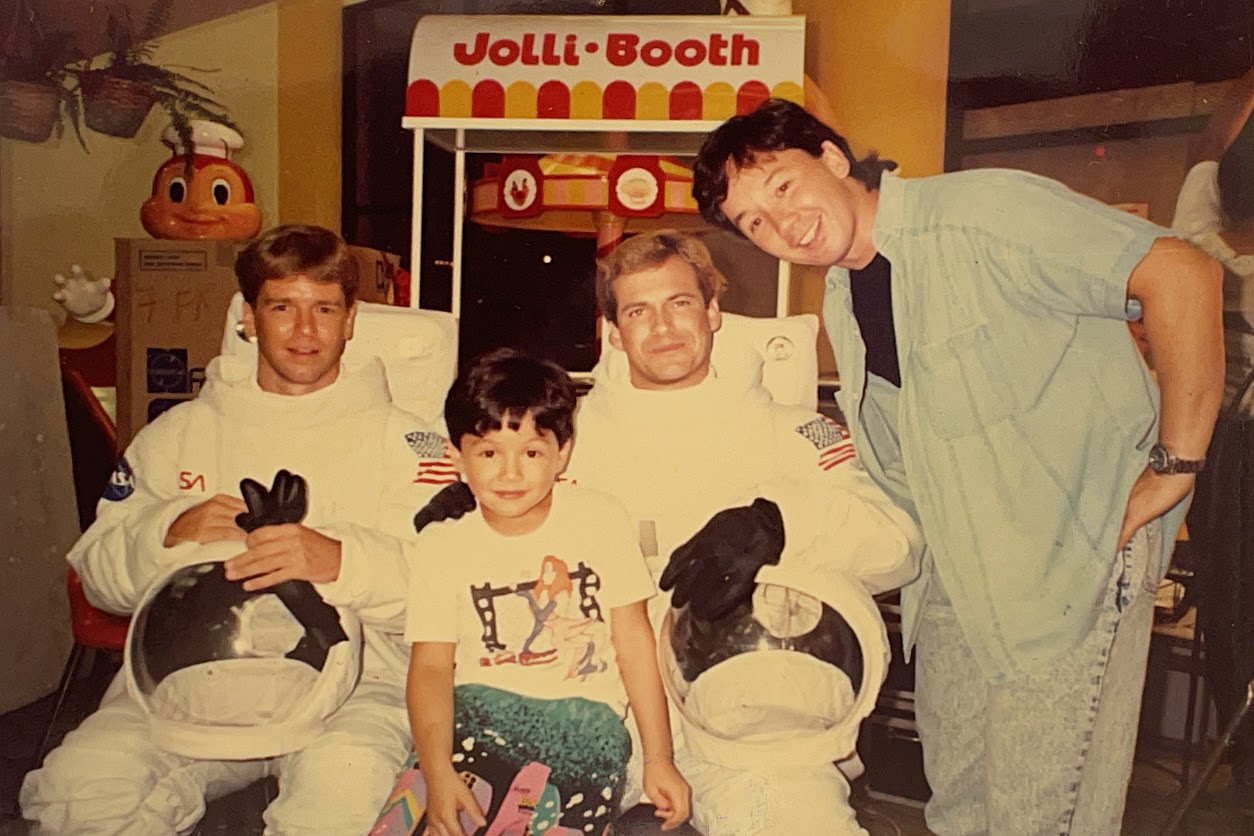
“I love to do this business of film, [and] eventually it pays off,” Soriano shares. “It pays off. But I’m not in it for the money. I’m in it because I love it. And somehow you get paid to do what you love.”
That same spirit of curiosity and openness led Soriano to direct his first full-length film at 28 years old. The film was “Hotshots”, which was released in 1984. Starring the likes of Gary Valenciano, Herbert Bautista, Aga Muhlach, and Raymond Lauchengco, the film encapsulated the vibrant and unapologetic aura of its time—again, embedding itself in Pinoy pop culture. Although “Hotshots” served as Soriano’s first entry into the arena of Philippine cinema, this film was also a catalyst for his career in commercial advertising, landing him projects with renown companies such as Shell and Jollibee.
Soriano’s career, however, is not just defined by the medium itself, but by the conviction and purpose that fuels it. He believes that stories are important, and that there is an abundance of them. It’s a matter of braving the step to bring these stories to life.
“There’s always a story to tell. To me, that’s what’s important,” he shares with such conviction and warmth.” Tell the story. and tell it well. ” For him, storytelling goes beyond fame or money. Its true achievement embeds itself in loving the process, and creating a lasting impression and connection with your audience long after the film has ended.
But amidst his success, there’s a thread that ties his 30-year career in the industry together:
Be Good. A simple, yet disarming principle to carry in an industry that has tendencies to be cutthroat and ego-driven. “Nothing’s easy. That’s why you got to get the ego out of the way,” he shares,” then create a good attitude as you’re getting into it, you know.”
For Soriano, being good goes beyond skill and proficiency in the technicalities of film. It also manifests itself in the attitude you bring to the workplace, one that is motivated by genuine love for the craft instead of ego. It’s in working with integrity and in discipline regardless of where you are on the ladder. “Just be good at what you do. Never lose your passion. Love it. Enjoy it.”

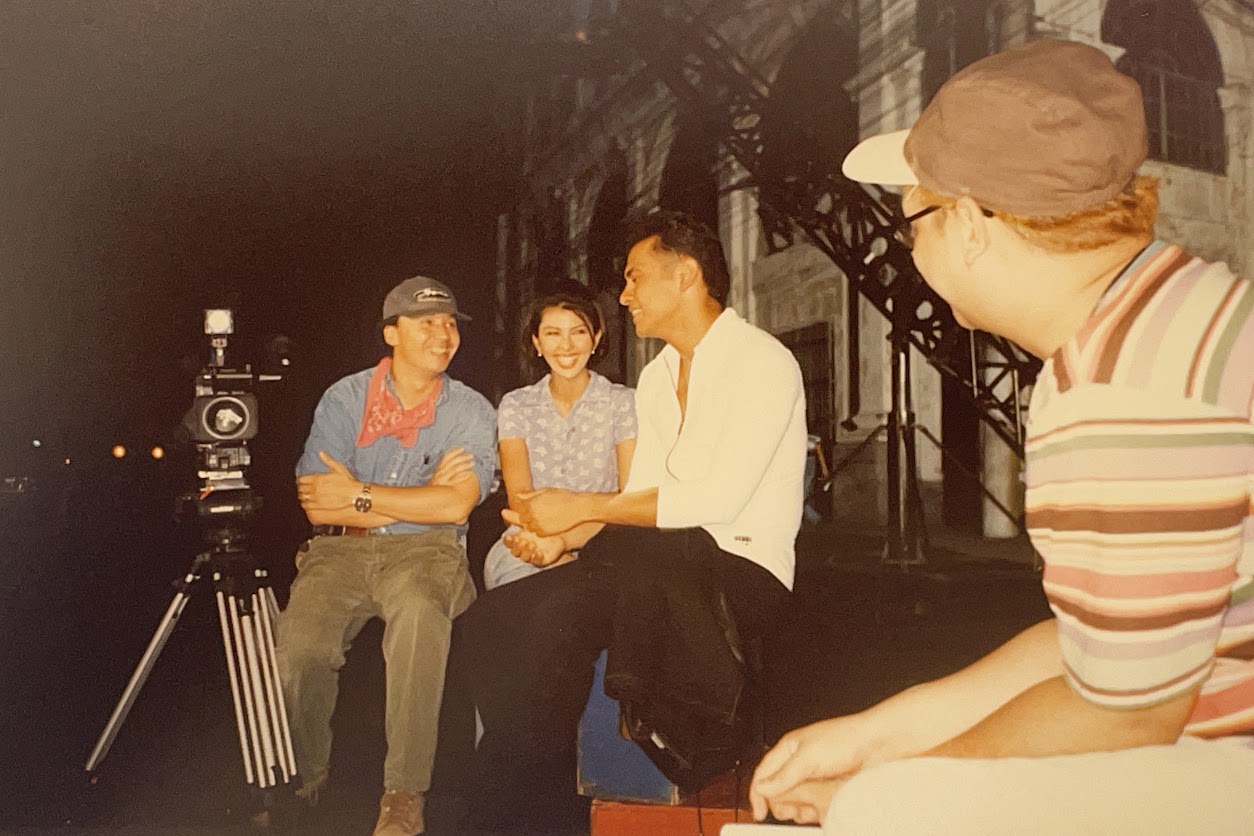
As for his encouragement to the next generation of aspiring filmmakers and directors, he keeps it simple: “Tell your story. Because the world needs to hear your story, your perspective, your view, how you see it. And that’s how you make an impact.”
In a time that praises the loud and the bold, Soriano’s story encourages us to remember that the humble beginnings are worth nurturing, and that character is the foundation of greatness. His extraordinary journey reminds us that success can be born out of humility, patience, and passion, leaving us with not just a career to applaud, but also a way of life worth emulating.