
Module 3, lesson 1
Finding Your Circle: Building Meaningful Connections Within and Beyond the University
In our generation’s fast-paced environment, building a career relies not only on skills and knowledge but also on connections and communication abilities. In this module, we will explore how meaningful relationships and effective communication can contribute to personal and professional growth.
objectives
- Understand the importance of building a network
- Identify different sources and platforms for building your professional network
- Learn the importance of communication skills in relation to networking
What is Networking (and Why It Is Important)?
In this generation’s fast-paced environment, building a career relies not only on skills and knowledge but also on connections and communication abilities. In this module, we will explore how meaningful relationships and effective communication can contribute to personal and professional growth.
Networking goes beyond just meeting people; it refers to building and maintaining genuine professional connections with colleagues, clients, and industry contacts. In the context of career development, networking is used to widen circles, explore opportunities, and gain knowledge. These relationships are not just temporary or short-term; they’re maintained and are built on respect, trust, and mutual benefit.
But making those connections and maintaining them does more than just open doors for you. Here are some of the other benefits of building your professional network and using it to help propel your career forward:
Connects You to Potential Mentors:
Having mentors is extremely valuable to any, regardless of where you are on the career ladder. Especially when you’re just starting, mentors can provide you with industry insights and advice that can help guide you in shaping your own career. And, by genuinely connecting with individuals with more experience, these people can also serve as key people for recommendations and referrals, which can ultimately enhance your own credibility in the industry. Read more about mentors here!
Presents Opportunities for Collaboration:
Having a network, especially in the field you’re interested in, positions you to meet and interact with like-minded people. By cultivating these relationships, not only will it create open doors in terms of work and exposure, but it will also foster an environment where insights and knowledge are freely exchanged.
Connects You to Potential Mentors:
Being known as someone reliable, respectful, and proactive can strengthen your personal and professional image. By genuinely connecting with individuals with more experience, these people can also serve as key people for recommendations and referrals, which can ultimately enhance your own credibility in the industry and among your peers.
When it comes to growing your network, it helps to think of all the people you know and how they relate to you and the industry you want to build a career in! From there, you can see connections you can and want to build. Strong networks often come from having established connections in these three categories:
- Strategic Network – Individuals of your network who help you keep you informed and aware of trends, insight, and knowledge in your industry. industry trends and assist in future planning. These connections are essential for strategic thinking and foresight. These connections are crucial for strategic thinking and industry foresight, and for planning your next move–or future.
- Operational Network – This network consists of the people whom you rely on to accomplish tasks or projects. Your classmates, colleagues, and even your supervisors fall into this category as well. While the people in this network don’t necessarily work for you, or you may be working under someone, their influence plays a significant role in your success at work.–affecting how you manage your time and energy.
- Developmental Network – This category consists of the people who have helped you grow as a person and professional. These connections are more personal, with these being people in your support system for both professional and personal reasons.
Remember, networking doesn’t always need to happen vertically; building connections horizontally–with your peers and friends– is also beneficial as you are the next generation who will eventually lead the industry! And in fact, fostering professional relationships is a constant cycle, and it’s recommended to network at various stages of your career. When you network intentionally and effectively, you’re not just exchanging contacts; you’re planting seeds for genuine relationships and laying down foundations for your future.
Networking Strategies
We often hear the phrase “expand your network,” but we rarely ever discuss how to do so or where to start. Whether you’re just trying to figure things out, you’re looking to enter a new industry, or simply want to expand your network even more, here are a few strategies you can apply:
- Be Curious and Genuine:
It’s all about mindset and intention. When creating connections, shift your focus from “what do I get out of them” to “what can I learn from them?”. This lays a foundation for a more genuine connection and opens your mind to accept new knowledge. This also lets you find ways to help them–and vice versa– which increases the value you add to them and strengthens the overall relationship.
- Participate in Professional and Industry-Related Events:
At this stage, time and effort are your currency. Making an effort to attend career fairs, industry-related communities and workshops, and conferences places in spaces where it’s inevitable to connect with new people.
- Join Professional Groups (In-Person and Online)
Becoming a member of industry associations, school clubs, and relevant online communities allows you to meet and interact with like-minded professionals, and even share your work and insights. Setting up and optimizing your profile on online platforms such as LinkedIn, can also help you in building your network and reputation.
- Seek Internships and Volunteer Opportunities:
As students and young professionals, interning or volunteering are great avenues to gain experience and meet people within your chosen industry. Building connections during these times can lead to potential job offers or professional references.
Amidst all the benefits of networking, it’s crucial to remember that it shouldn’t feel forced, it must grow naturally, and stem from curiosity and genuine interest.
The Impact of Communication
Now you may have made your connections, but what helps you maintain them is intentional communication. Effective communication brings clarity and intention to the forefront, allowing you to convey your thoughts and ideas, and helps you work efficiently within a team and group. And in the workplace, there are four common types of communication, let’s go through them!
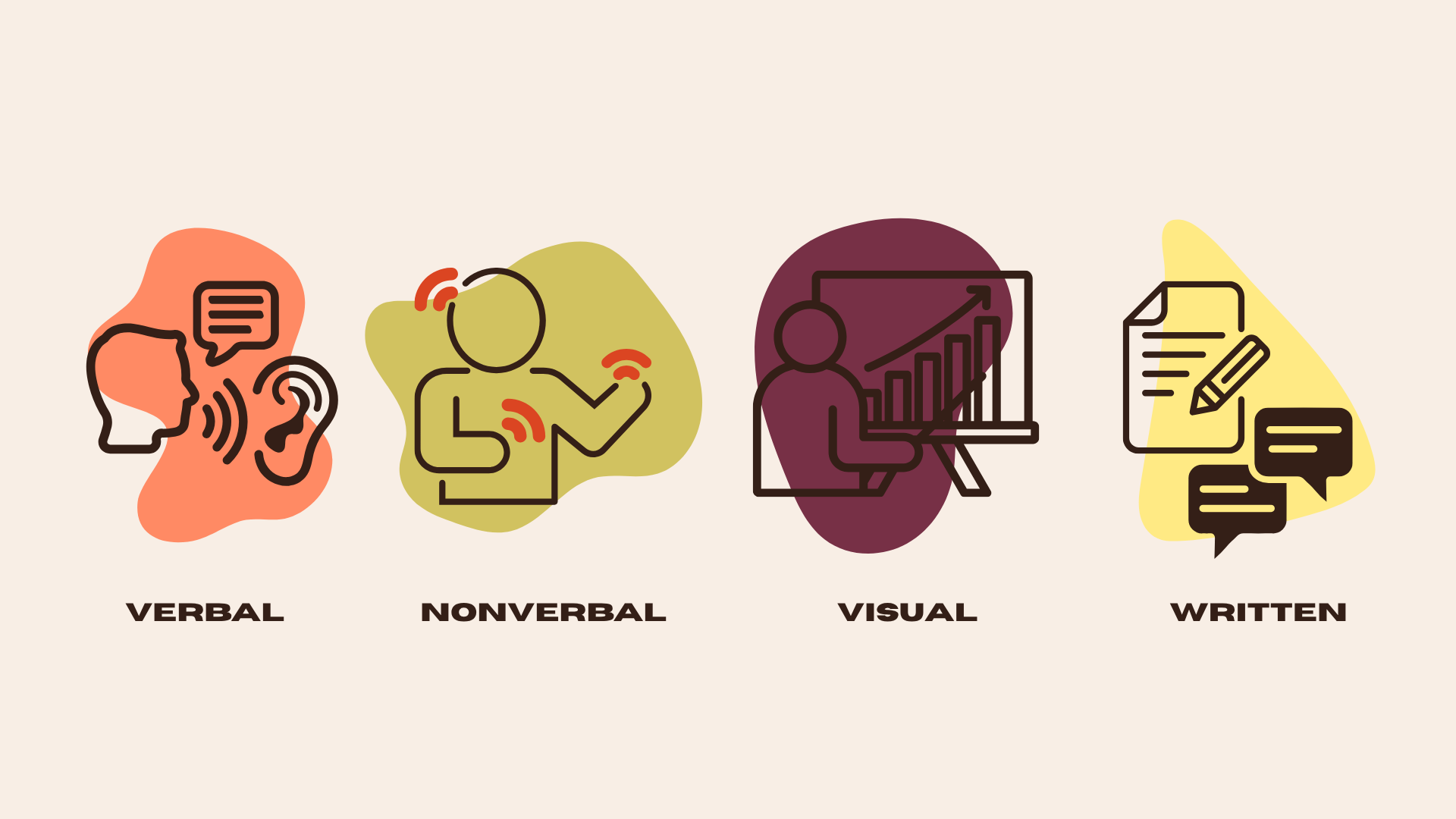
- Non-Verbal Communication – This refers to the “silent” ways people communicate. Under this are the use of body language, gestures, and facial expressions, which are usually the cues and tools to better understand someone’s thoughts or feelings.
- Verbal Communication – This type of communication is the most common and is our primary way of conveying information and understanding from one person to another. This commonly works hand-in-hand with Non-verbal or written communication.
- Visual Communication – This involves the use of visual aids to support and strengthen information and conversations. We often see this during presentations of data (graphs and charts), or providing context or ideas (photographs and sketches).
- Written Communication – Written communication encompasses writing, chatting, and emailing. This type helps keep records for future reference, and with the help of technology, is also becoming a preferred way to communicate with others. With this, it’s crucial to be aware of the preferred platform for communication, especially in the workplace.
In the creative industry, oftentimes projects involve a lot of different people doing different things. When people within a team are able to communicate well, collaborations are easier, problems are solved faster, and innovation is more effective. Here’s a list of strategies you can apply to improve your communication skills and advance your career!
Active Listening
A key part of communicating effectively is knowing how to actively listen, and this can be improved with practice. Focus on what others are saying, clarify any unclear details, and summarize your understanding of their message. This approach not only improves your understanding of others but also enables you to respond more thoughtfully.
Expand Your Vocabulary and Clarity
Work on expressing your thoughts clearly and concisely. Reading, writing, and engaging in conversations regularly will enhance your ability to articulate ideas.
Feedback and Reflect
Effective communication goes both ways, and great communicators are able to give and accept feedback. Ask trusted peers or mentors for honest feedback on your communication style, and reflect on areas for improvement.
Engage in Public Speaking and Group Discussions
Joining clubs and organizations geared towards developing communication skills is also a great way to improve how you formulate your thoughts and develop the confidence to speak to an audience.
Practice Empathy and Emotional Intelligence
Being aware of others’ feelings, communication styles, and perspectives helps in tailoring your communication to be more impactful and well-received. This intentionality cultivates trust and navigates tensions more effectively.
It’s important to remember that effective communication only happens when it goes both ways. When people feel both heard and understood, it creates an atmosphere for trust and stronger ties. Good communicators are able to resolve conflicts, collaborate effectively, and inspire others, which produces great team dynamics and longer-lasting relationships.
Bringing Networking & Communication Together
The concepts of networking and communication are tightly intertwined–especially when you’re starting in your career. One helps build the relationships, the other helps you keep them. Together, they can form a solid foundation for your professional success should you be able to stay consistent and intentional.
As you grow as a person and as a professional, both skills grow with you and will function differently at every aspect of your journey. But at every stage, remember that communication is your bridge, and a tool that can transform seemingly surface-level connections into impactful and lasting relationships.
Activities
Activity 1: Map Your Network!
Your network is one of your greatest professional assets, but have you taken the time to reflect and visualize it? In this exercise, you will reflect and map out the connections you have that have the potential to shape you growth in your chosen career or industry! Access the activity below.
Communication Skills to Advance Your Career